
Summer decorating ideas range from a $6 grocery-store bouquet to full patio setups, and what you actually need depends on how much storage you have and whether you own your walls.
A 750-square-foot apartment taught me that the same throw pillow inserts swap covers in June and hide in vacuum bags by October, but the bright dinnerware stays worth it even when nothing else fits.
1. Fresh Flowers and Greenery
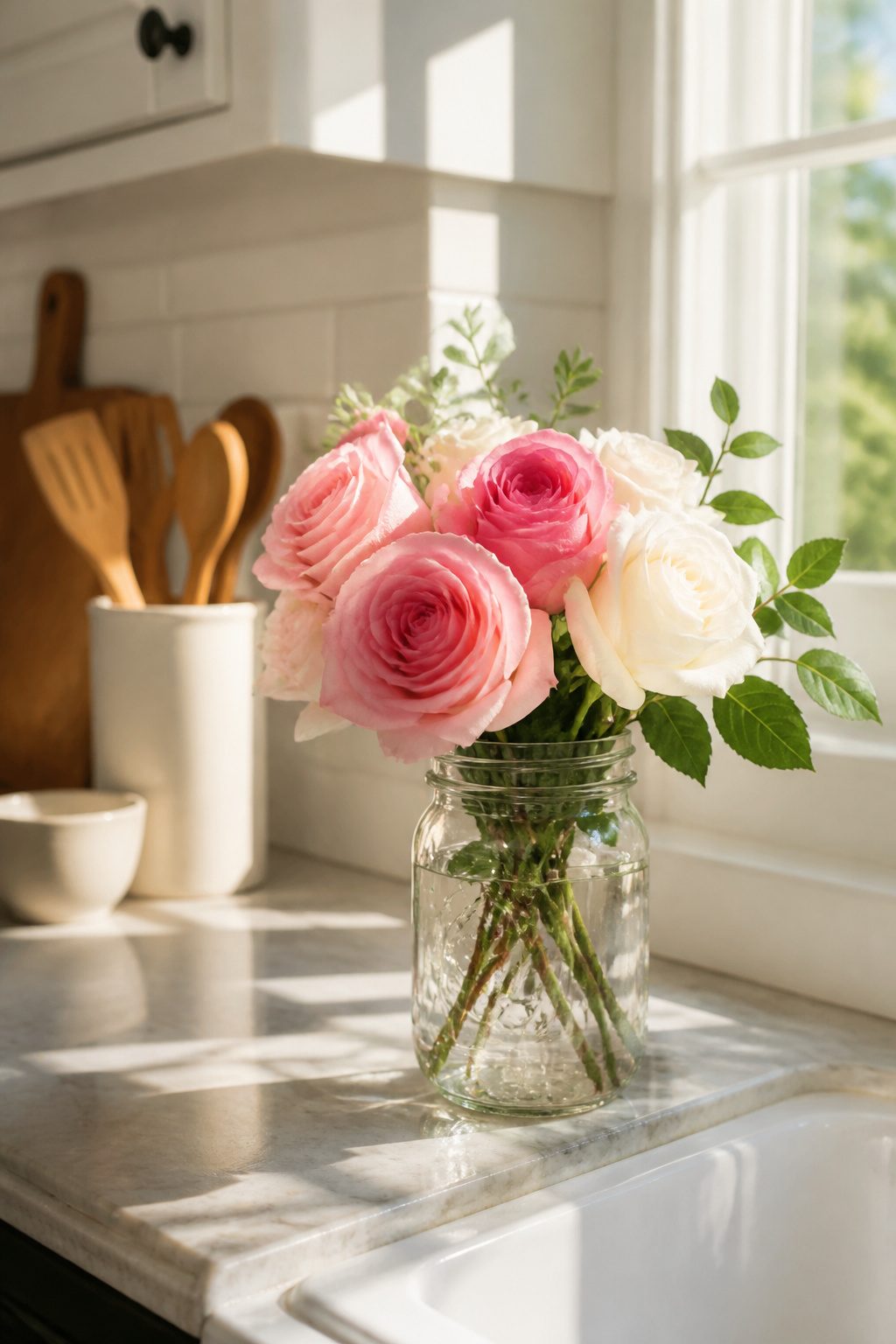
Summer is the BEST time to take advantage of fresh flowers, and grocery store stems are how I do it without a garden.
A $6 to $10 bunch of whatever looks full in the bucket, trimmed at an angle with water changed every day or two, lasts me about five days.
I keep them out of direct sunlight and away from the stove, and that small care buys the full week.
The trick for impact on a budget is placement, not volume.
One small mason jar of roses and a sprig of side-yard greenery by the kitchen sink makes the first cup of coffee better. Another by the bathroom mirror does more than a scattered dozen would.
I skip the dining table centerpiece; we eat there, it moves, it dies in the shuffle. Corners where your eyes land in passing get the stems, and the whole room reads greener for it.
When the grocery store pickings thin or I travel, I switch to faux. A few Ikea orchids and some airy ferns in a wine jug or tucked into built-ins carry the same color without the five-day clock.
The swap is not shameful; it is practical. But the fresh weeks, when they are here, are the ones I notice.
2. Light Textiles
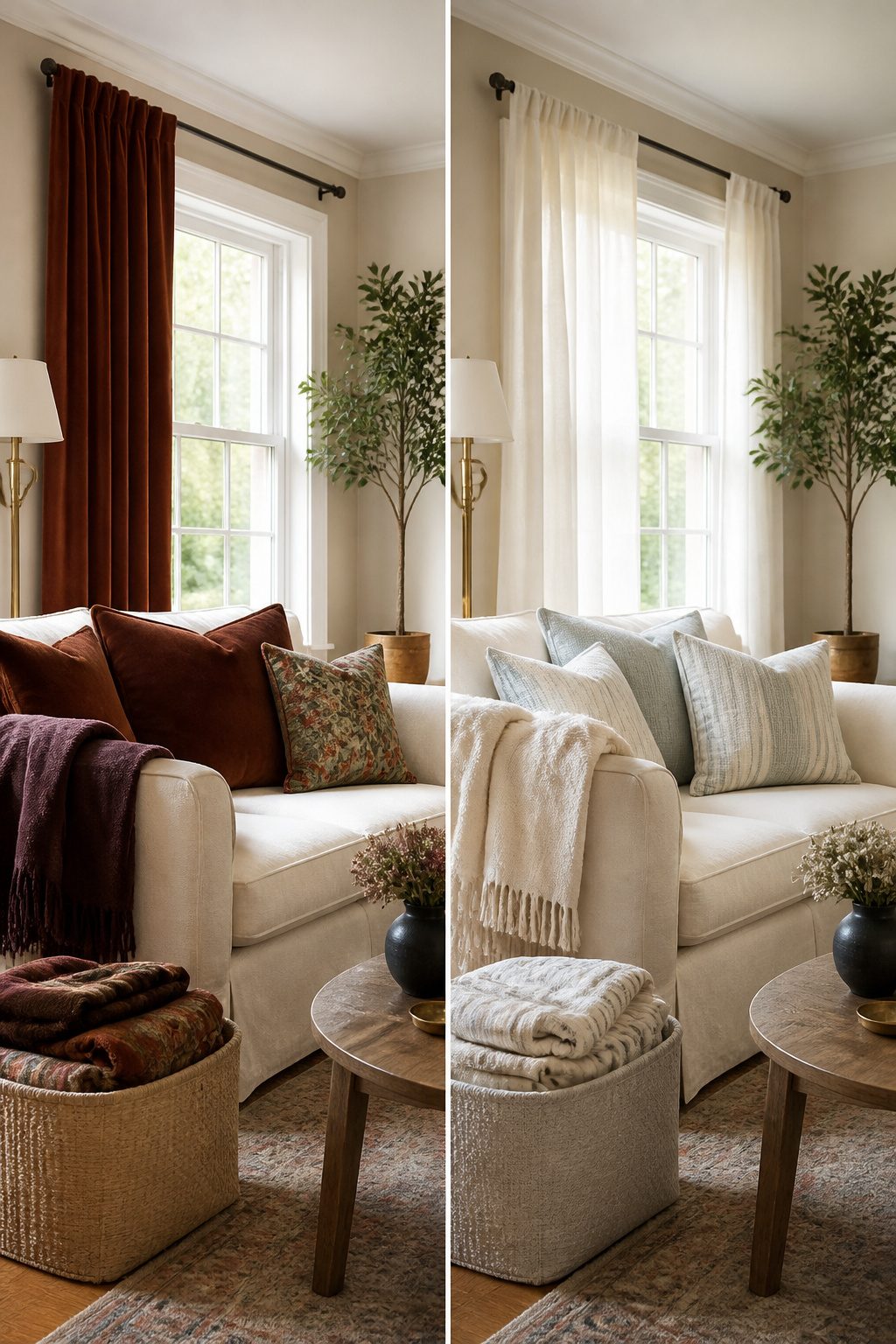
Swap out heavy textiles for lighter fabrics. Cotton and linen breathe better than the velvet and wool that carried the living room through winter, and the difference is immediate when you walk in from the heat.
Last June I folded the heavy drapes, the chunky knit throw, and four velvet pillow covers into a labeled bin that slides under the bed in the guest room.
The summer set cost about sixty dollars: two gauzy curtain panels, a lightweight cotton throw in a faded stripe, and three linen-blend covers for the same inserts.
Stored weight stays off the sofa, and the room actually feels cooler by late afternoon. The old fabrics go back on in October; the bin lives there year-round, so the swap takes twenty minutes, not a weekend.
3. Summer Wreath
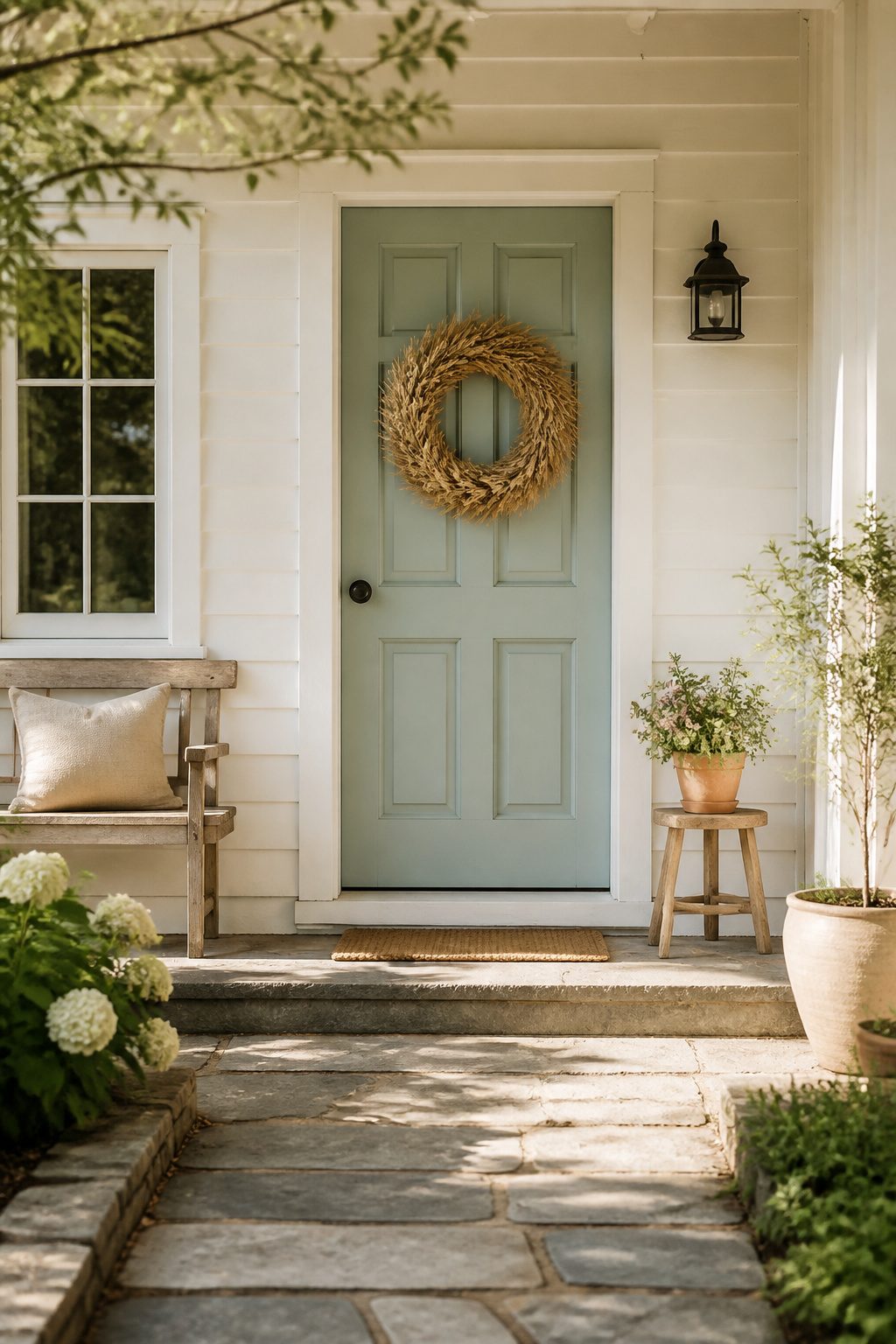
A summer wreath with seasonal florals on the front door reads as a promise that someone living here pays attention.
I learned that the hard way. In 2022 I dried rye grass from the field behind my mother’s house, wired it into a loose circle, and hung it on a nail that was already there.
It turned the color of late-afternoon light and it still hangs there, three summers later, because dried grass does not demand water or shade.
The year before, I spent roughly the same money on a store-bought wreath with bright zinnias and trailing vines.
The glue softened in the humidity, the foam base went gray, and the whole thing sagged off its hook inside two weeks. Fresh-looking artificial florals are often built for photographable doorways, not for actual sun and rain.
If you are buying, hold the wreath up and look at the back. A grapevine or wire frame with stems wired individually will outlast a styrofoam disk with stems hot-glued in.
Better still, dry what grows near you in late June. The color is quieter, but quiet is what summer looks like after the first month.
4. Coastal Accents
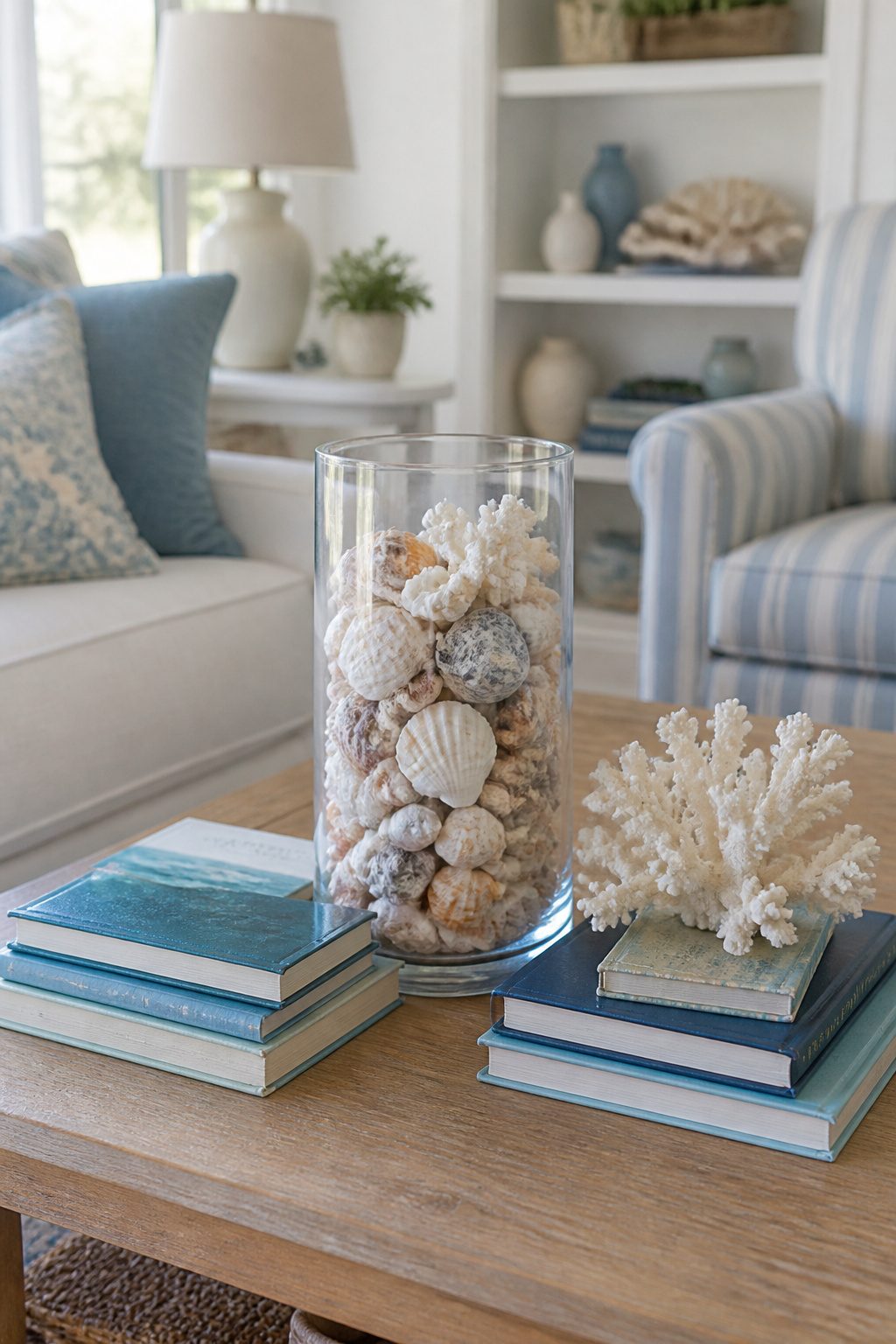
Coastal accents are one of the easiest ways to bring the feeling of summer into your home, even when the nearest beach is hours away.
The trick is knowing what to collect and what to buy, because the two read very differently once they’re sitting on your shelf.
The shells in my glass vase came from a trip my family took to Corolla on the Outer Banks last year.
My grandkids gathered every one, and that story matters more than perfect shape or size. Beach finds with memory attached, displayed simply in a glass bowl or apothecary jar, carry weight that store-bought shells never match.
The purchased ones, even the good ones, tend to read as cheap filler the moment someone asks where they’re from.
For coral, the math is clearer. A real piece large enough to matter starts around $75 in Florida markets, and climbs fast.
Realistic faux coral at a fraction of that cost gives the same visual texture, and styled on a stack of coffee table books or under a glass cloche, it does the same design work without the ethical or financial weight.
A single gold crab figurine, one piece of vintage ocean artwork, a length of rope coiled in a woven basket: restraint wins here.
The coastal grandmother look works because it suggests beach house living rather than announcing it. One meaningful accent beats a theme-y spread every time, and your summer refresh stays portable enough to pack away come fall.
5. Bright Dinnerware
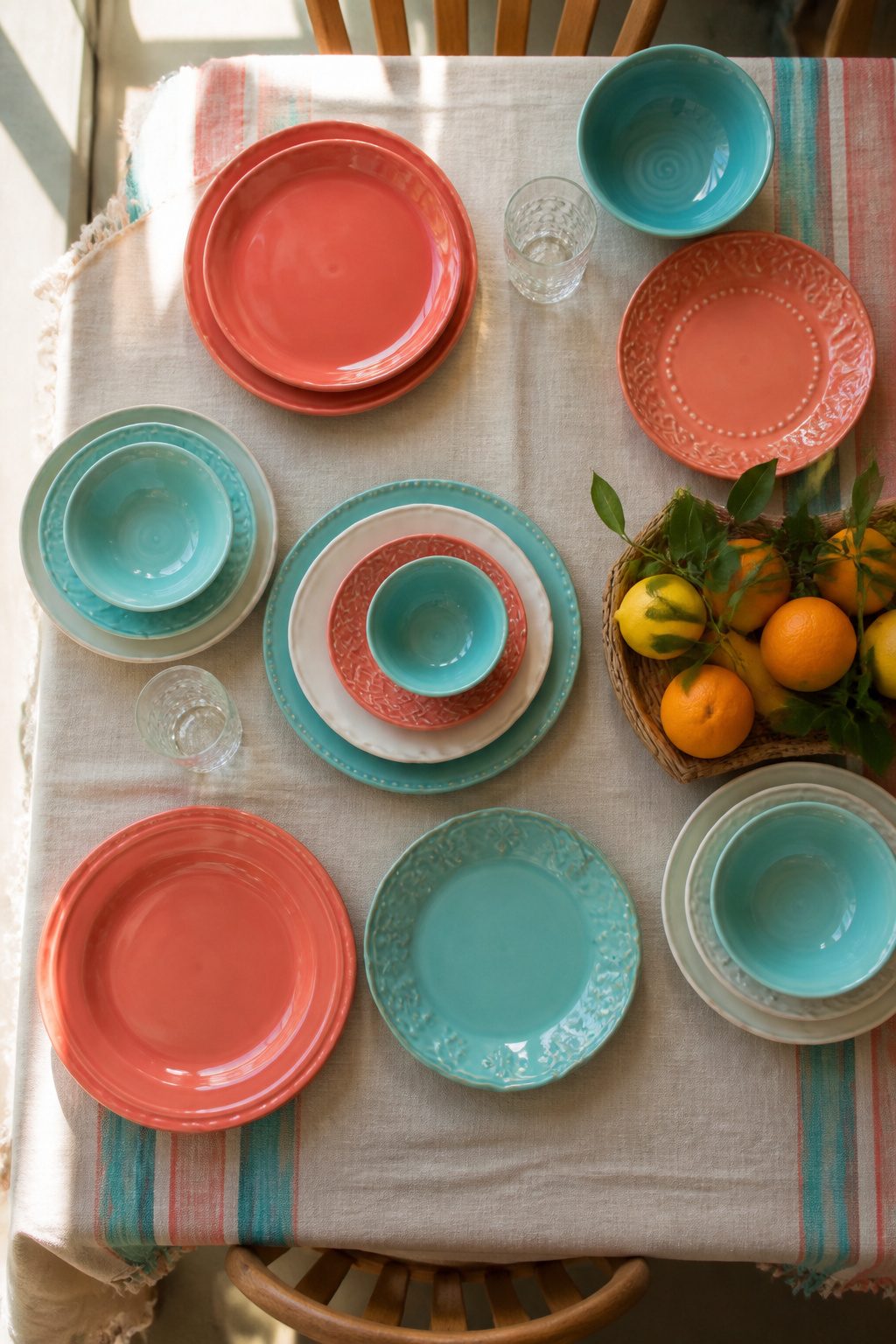
Colorful plates do more of the summer lifting than almost anything else on this list.
Last June, a thrift store near my mother-in-law’s house had stacks of mismatched dinnerware in coral and turquoise, each piece marked $1.50. I bought twelve plates, six bowls, and four salad plates for under thirty dollars total.
The coral set lives in a low cabinet I can reach without a step stool. The white dishes that stay out year-round sit higher up, which tells you exactly how often each one gets used.
I pull the bright set out for maybe six dinners a summer, mostly when we eat outside and the paper-towel-as-napkin standard is already in effect.
For everyday lunches and rushed weeknights, white still wins because it goes with whatever else lands on the table.
The mistake I made was buying bowls that turned out to be soup-sized, not cereal-sized.
They hold too much ice cream and too little salad, so four of them rarely leave the shelf. Plates are forgiving; bowls need more scrutiny before you carry them to the register.
6. Seasonal Fruit as Decor
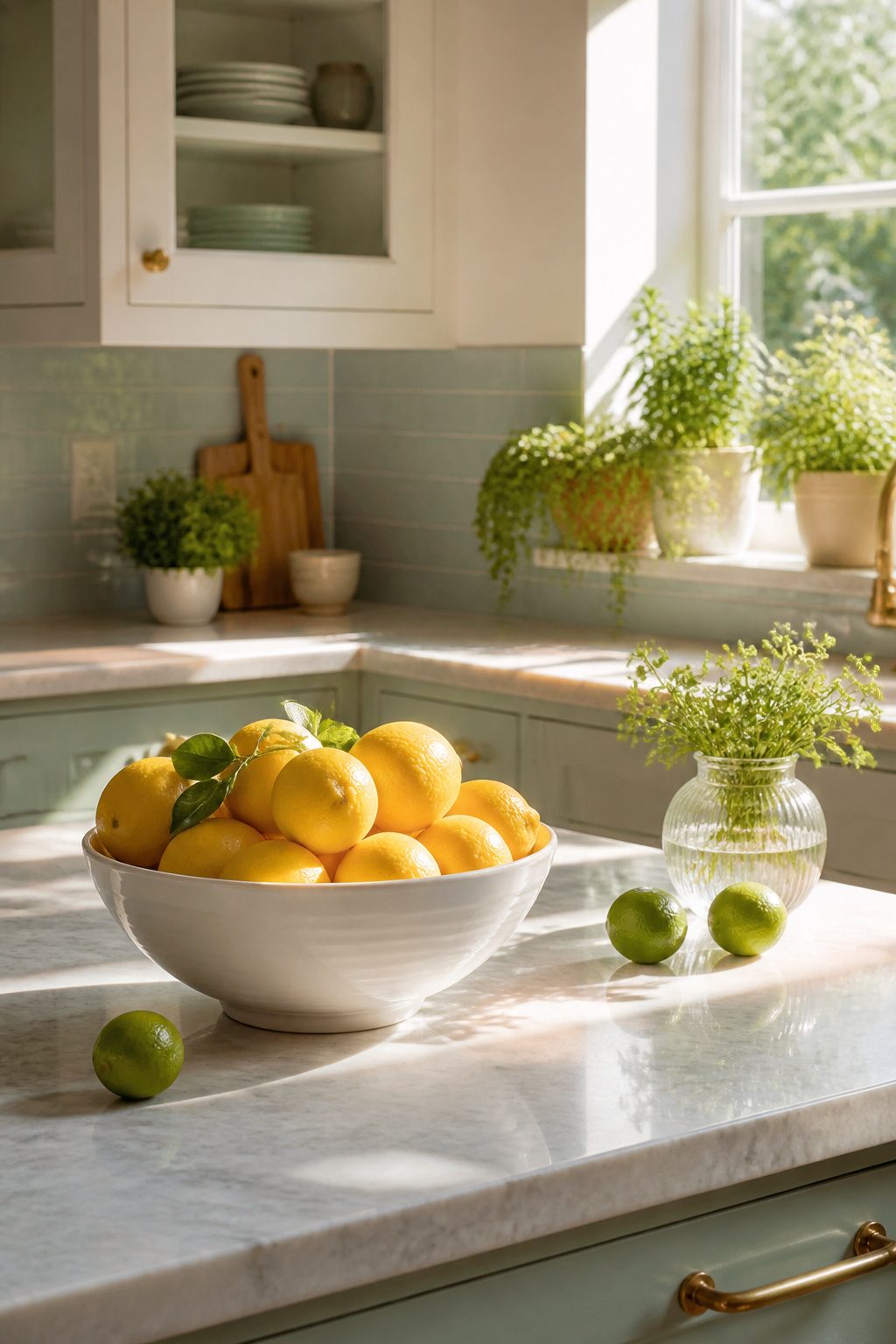
A bowl of lemons on the counter instantly makes a room feel happy and bright.
The color does almost all the work, so the vessel itself can stay simple. I use a plain white ceramic bowl, nothing patterned, because the yellow against white reads as clean rather than busy.
Fresh lemons, limes, oranges, or even tropical treasures like pineapples and mangoes will add both a pop of color and a lovely aroma.
The fruit lasts about four days at room temperature before the skin starts to soften and the whole thing turns from decoration to compost.
I move mine to the fridge at that point and rotate in new ones. The one time I forgot, I found mold on the bottom lemon six days in, which taught me to set a phone reminder.
Strawberries work too, but they go faster and attract fruit flies, so I stick with citrus for display and eat the berries straight from the fridge.
7. Summery Throw Pillows
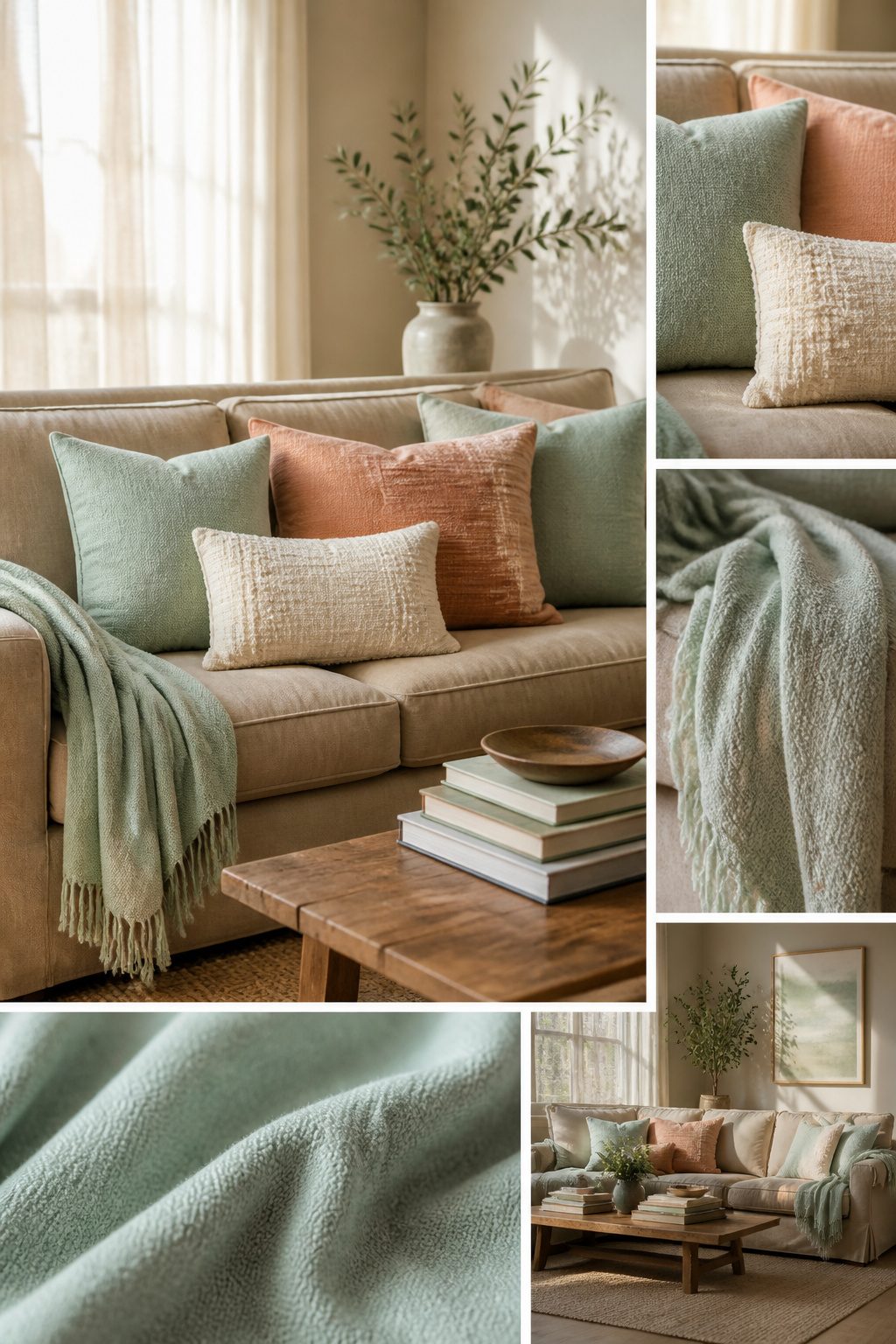
The fastest room change I make each June is swapping the throw pillows. Heavy plaids and deep velvet covers go into a vacuum bag that lives under the guest bed, and lighter cotton or linen covers come out.
I keep the same inserts year-round, which keeps the cost down. New covers run me about fifteen to twenty dollars each online, while replacing the whole pillow would be triple that.
My first attempt at "summer" backfired.
I bought covers labeled as outdoor fabric, thinking they would survive the kids and the dog better. The material felt like tarpaulin against my neck, stiff and slightly waxy even after washing.
They looked crisp in the product photos. They felt like a camping trip on the sofa.
Now I stick to regular cotton with a tight enough weave that spills bead for a second instead of soaking straight in. The old outdoor set still haunts the garage, too guilty to donate and too unpleasant to use.
8. Natural Materials
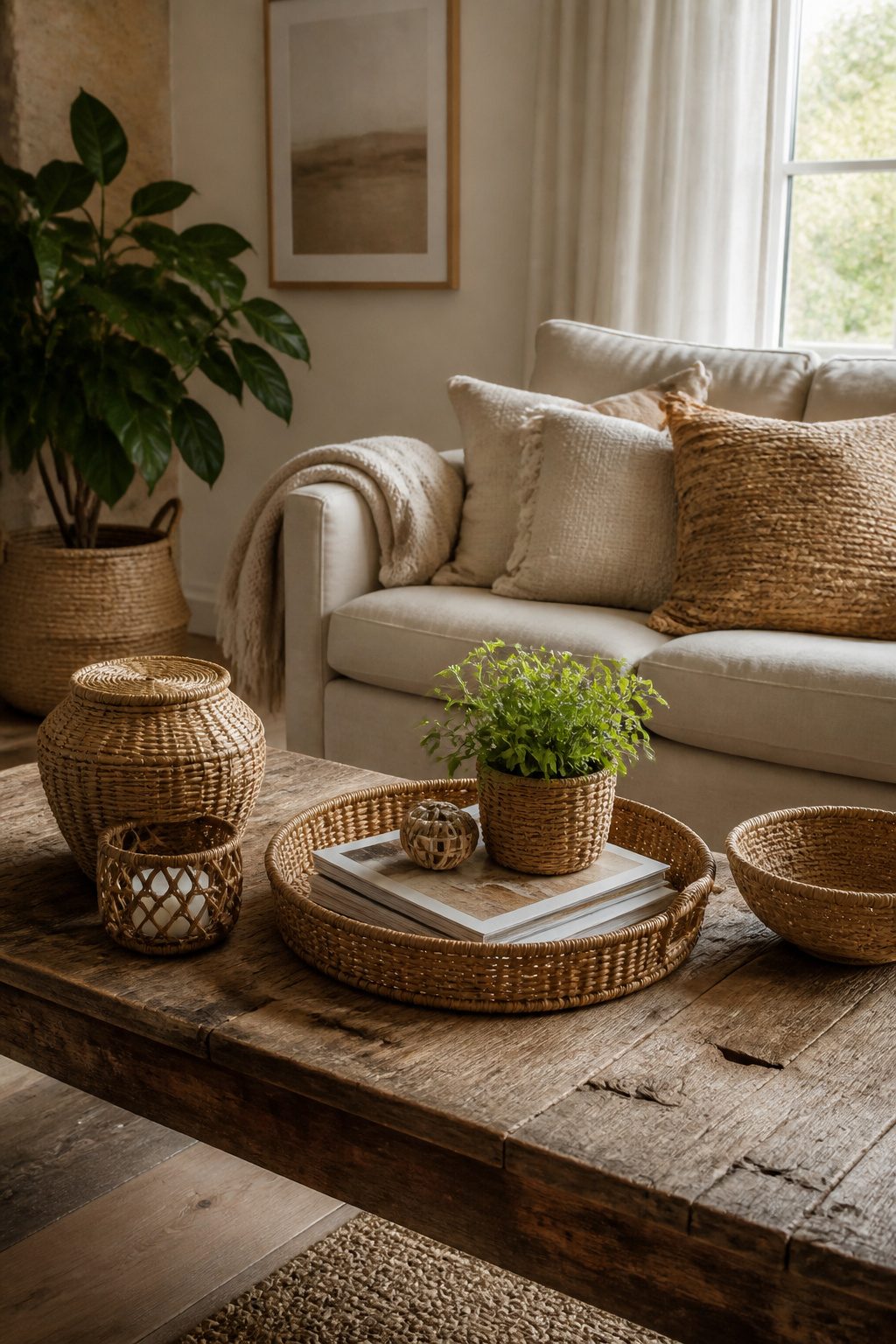
Wicker and rattan carry summer better than almost anything else I have tried, and the difference between finding them secondhand and buying new is steeper than the price tag suggests.
The rattan tray on my coffee table came from a garage sale two Junes ago for four dollars.
It lives in the hall closet all winter, stacked flat behind the vacuum, and comes out in May without a split or a fade mark.
The woven basket I bought new at full price from a home store last spring already has a sagging base and a corner where the weave has pulled loose.
Used rattan was dried and cured years ago; the fresh stuff is often rushed to shelf before the fibers settle. If you are hunting, estate sales and neighborhood garage sales in older suburbs are where the solid pieces hide.
For new buys, lift the piece and feel the weight. Light and hollow sounds mean it will not survive a humid August on a porch.
9. Summery Centerpieces
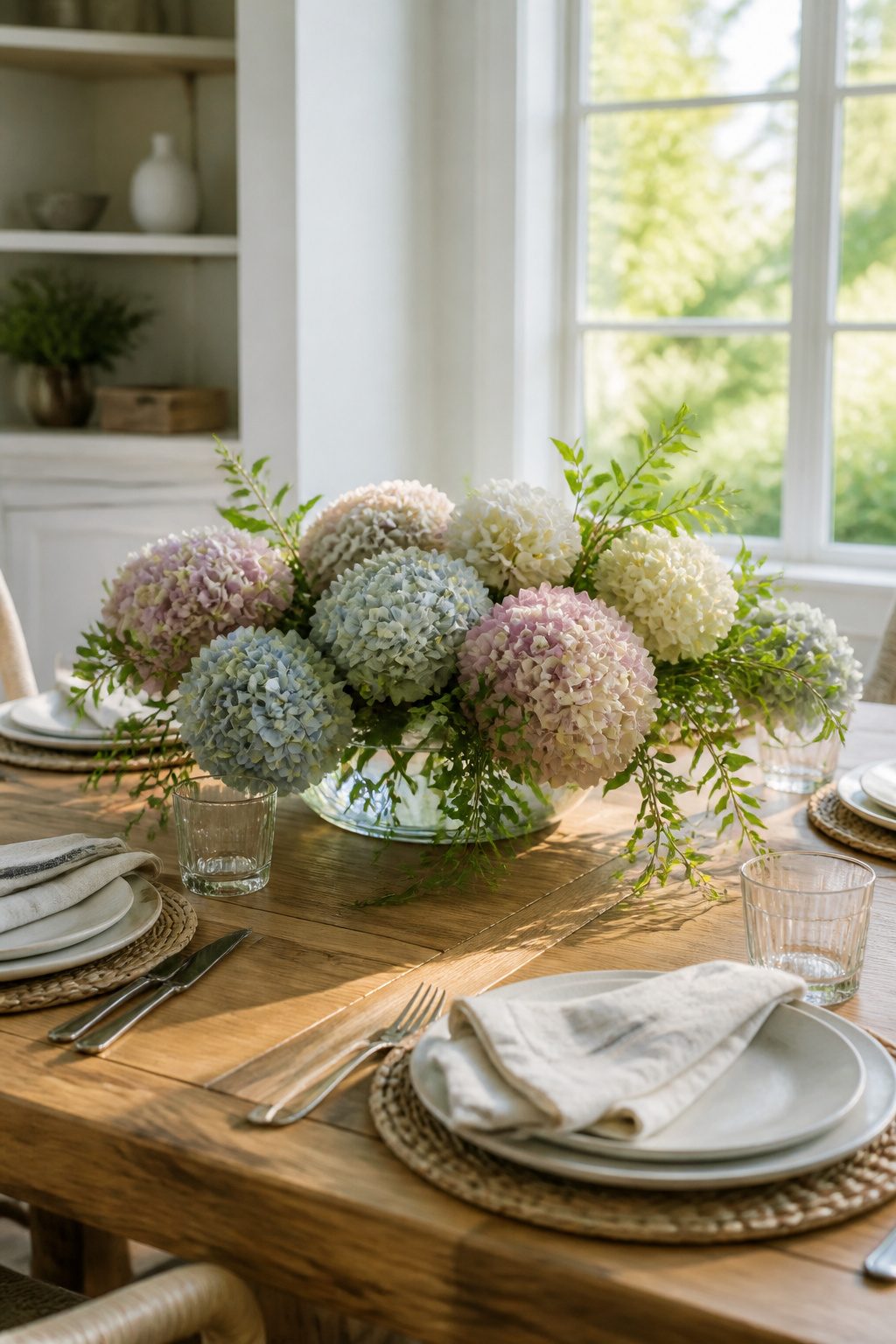
A summer centerpiece lives or dies by height. My go-to formula is a low, wide vessel plus one dominant element and something trailing over the edge.
Glass vases work for this, or a mason jar if the table is small. Five minutes of assembly, maybe ten if I am foraging greenery from the side yard to tuck around grocery-store blooms.
Hydrangea season is when I get cocky.
Last July I clipped every bloom off my bushes, stacked them in a foot-tall mound, and blocked sightlines across the dinner table. Guests spent the evening leaning left and right to talk past the thing.
Keep the profile under eight inches tall, or under the width of your closed hand, and people can still see each other. Faux dogwood blooms or a few knockout roses with some butterfly bush cut smaller would have saved me.
The grocery-store option is there all season if you do not garden.
Change the water every day or two, trim stems at an angle, and keep the arrangement out of direct sun. That care stretches a $6 bunch across a full week.
10. Outdoor Lighting
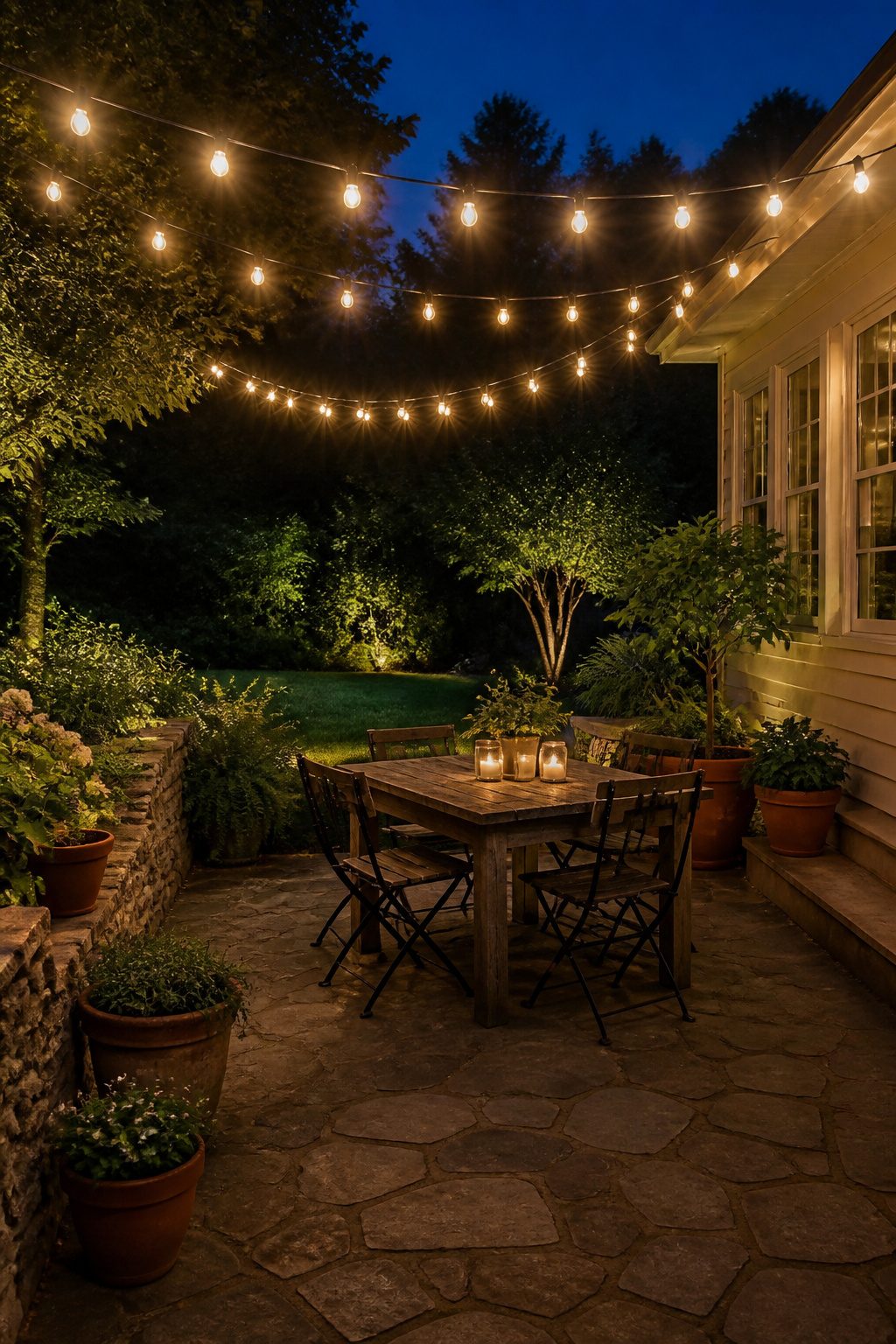
String lights are the fastest way to make a patio feel finished after dark.
A 48-foot strand with 15 bulbs runs about $15 at most hardware stores, and that length covers a standard two-person bistro set or the short side of a balcony railing without looking sparse.
The mistake I made was buying the strand, driving home, and realizing the nearest outdoor outlet sat twenty feet from where I wanted to hang them.
Running an extension cord across a walkway is not to code, and I now know that outdoor circuits need GFCI protection and cords rated for exterior use if you’re going to do it properly. Lanterns solve the outlet problem entirely.
Solar ones turn on at dusk and off at dawn with no wiring, and a cluster of three or four on porch steps gives enough ambient light for conversation without attracting every moth in the neighborhood.
For tables, a few bug-repellent luminaries in mason jars keep the practical side of summer from ruining the mood.
What I Spend First
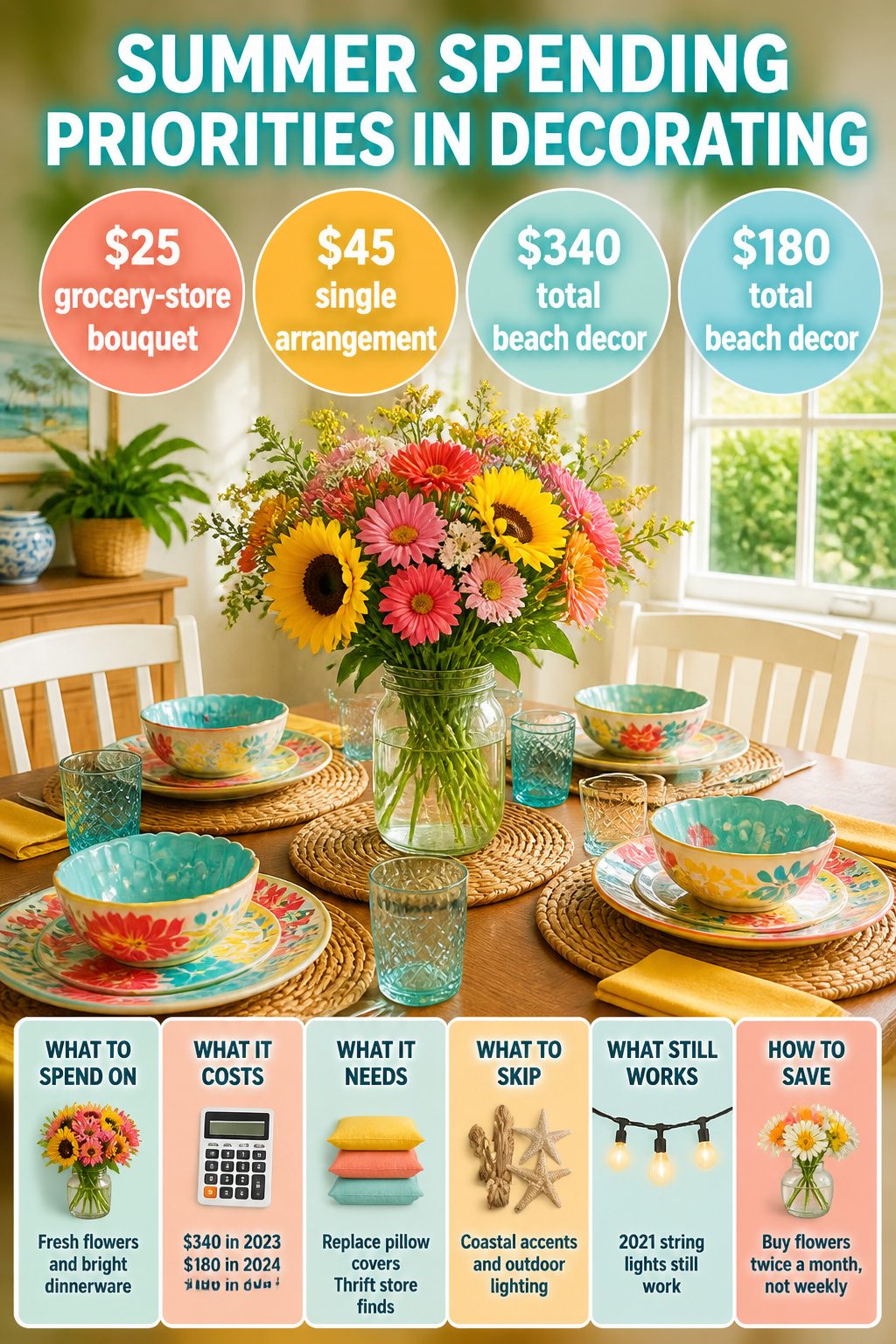
The ten ideas in this article do not all cost the same, and some years I only get to four or five of them.
Fresh flowers and bright dinnerware are what I spend on first, because both show up in photographs and both make the room feel changed the same afternoon.
A $25 grocery-store bouquet split across two rooms beats a single $45 arrangement that sits in one spot and dies at the same speed.
In a lean year I skip coastal accents and outdoor lighting entirely.
The driftwood and rope styling looks dated to me now, and the string lights I bought in 2021 still work fine so I do not touch that category unless a strand actually fails.
The whole rotation ran me about $340 in 2023 when I replaced two sets of pillow covers and bought ceramic plates at a thrift store, and closer to $180 in 2024 because I reused almost everything and only bought flowers twice a month instead of weekly.
Storage I Actually Use
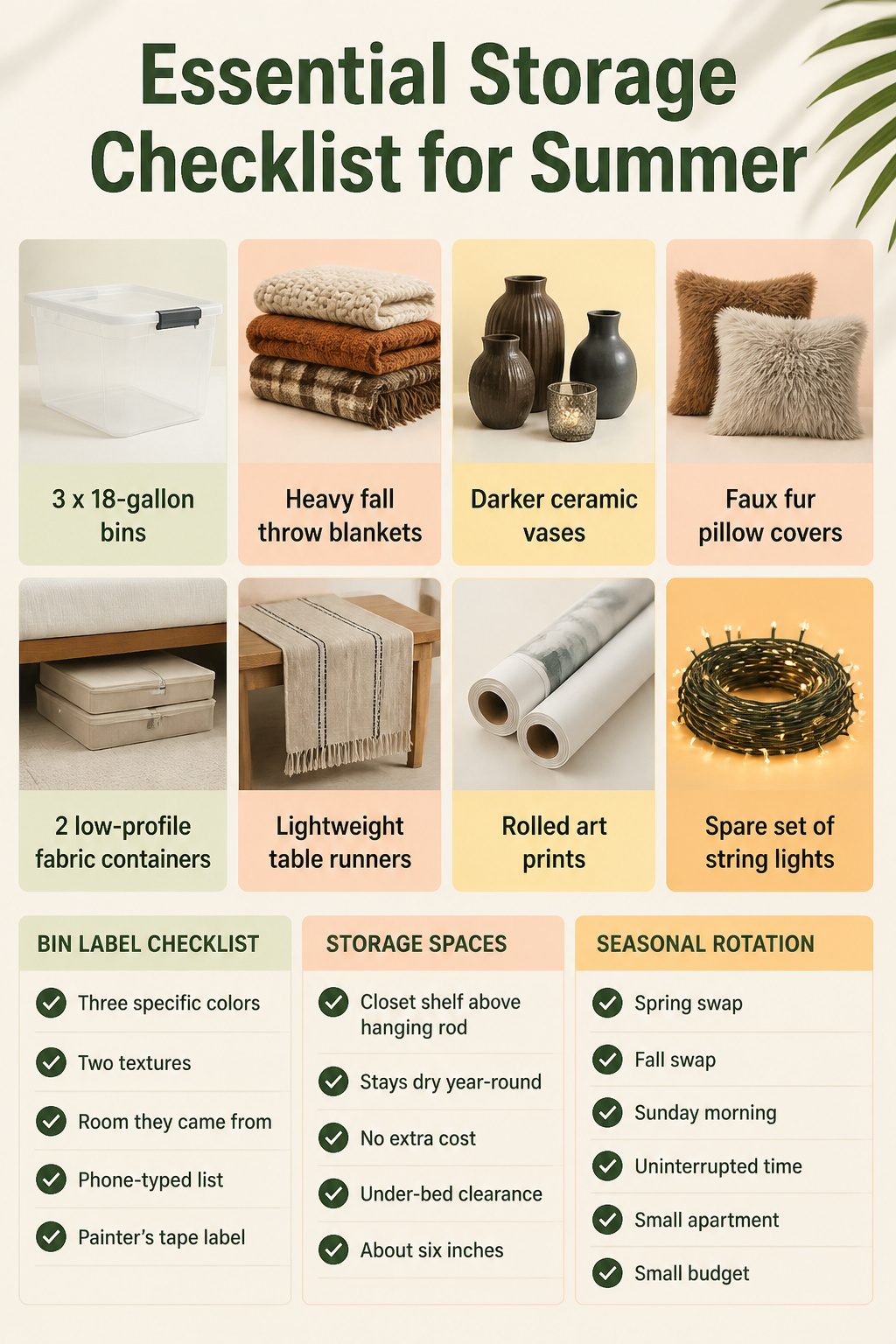
Three 18-gallon bins hold everything that leaves the walls and surfaces when June arrives.
One carries the heavy fall throw blankets, another the darker ceramic vases and candle holders, and the third swallows the faux fur pillow covers that read as winter even in July.
They stack in the single closet shelf that runs above the hanging rod, the one space in a 750-square-foot apartment that stays dry year-round and does not cost extra.
The under-bed clearance, about six inches on a standard frame, fits two low-profile fabric containers for the slimmer items: the lightweight table runners, the rolled art prints, the spare set of string lights.
I learned the hard way that "fall stuff" written in Sharpie on masking tape is not a label; it is a prayer.
I tore through all three bins the first weekend of November, hunting pillows I had described only to myself as "the brownish ones," and found them buried under the Christmas garland I had apparently decided belonged to the same mental category.
Now each bin gets a strip of painter’s tape on the short end with a phone-typed list: three specific colors, two textures, the room they came from.
The tape peels clean in spring when the contents swap again, and the lists live in my phone notes as backup.
The whole rotation takes a Sunday morning, which is about as much uninterrupted time as a small apartment and a small budget ever really allow.
Scents I Add Last
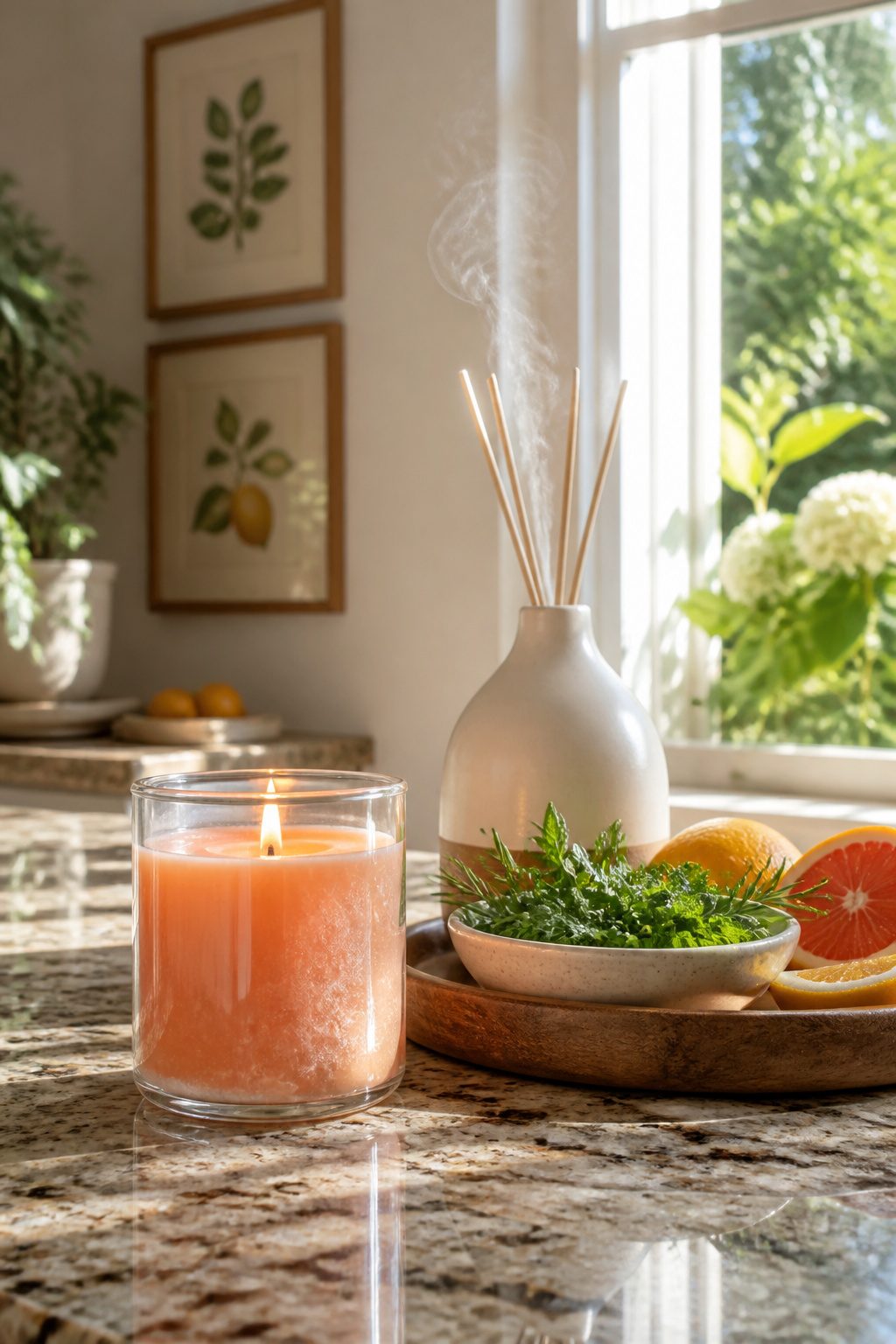
Scent is the last layer I add, after the pillows are fluffed and the grapefruit candle is lit.
I bought one from a local shop two summers back, a plain glass jar with no label, and it burned for twelve hours straight through a dinner party without drowning out the food.
Citrus works better than coconut for my small kitchen; the grapefruit note cuts grease rather than adding another sweet layer to the air.
Diffusers run in the bedroom, something floral and quiet, geranium if I can find it.
The rule I follow now, after one Memorial Day weekend of mint oil, lemon peel, and a cedar candle all competing, is one scent per room.
More than that and the room starts to feel like a hotel lobby trying too hard.
Simmer pots look romantic in photos, whole fruit and herb clippings drifting in a pot on the stove.
I tried it once with orange peels and rosemary from a neighbor’s garden, set the heat too high, and spent the next ten minutes fanning the smoke alarm while my dog hid in the bathroom.
Now I keep the burner low and stay within earshot, or I skip the stove entirely and leave the cold ingredients in a bowl on the counter. The fragrance is softer, but so is the risk.
Outdoor Spaces Beyond Lighting
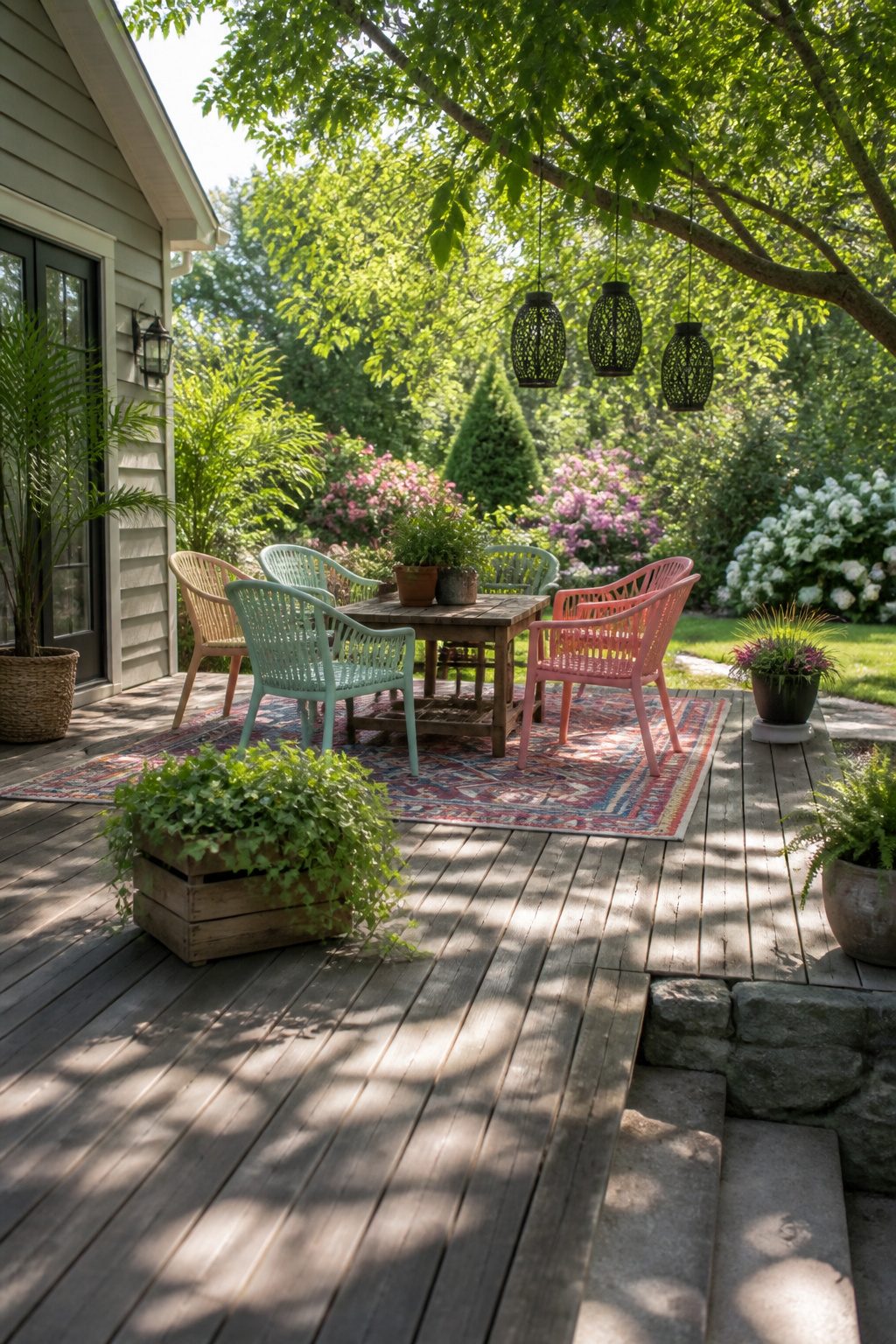
An outdoor rug can anchor a patio in about ten minutes, but the one I bought two summers ago taught me to check the backing before I swipe my card.
Polypropylene weave felt indestructible in the store, yet moisture crept underneath during three humid weeks and the mildew smell never fully washed out.
If a rug is not rated for full sun and rain, it is not a summer rug. Now I only lay down something I could hose off and leave to dry.
Planters follow the same test. A painted soda crate looks vintage and costs little more than a quart of exterior paint, but most arrive without drainage holes.
I drilled a half-inch hole in the base of mine before filling it, and the cascading ivy I planted last June is still alive. Without that hole, roots sit in water and rot inside a week.
Seating is where I stopped trusting photos entirely.
A wicker armchair that looked deep and lounge-worthy online sat so low my knees hit my chin. These days I sit in every piece before it comes home, or I skip it.
For renters, lightweight resin chairs that stack are the practical middle ground: easy to move for a weekend layout, easy to store when the season turns.
One DIY That Worked and One That Did Not
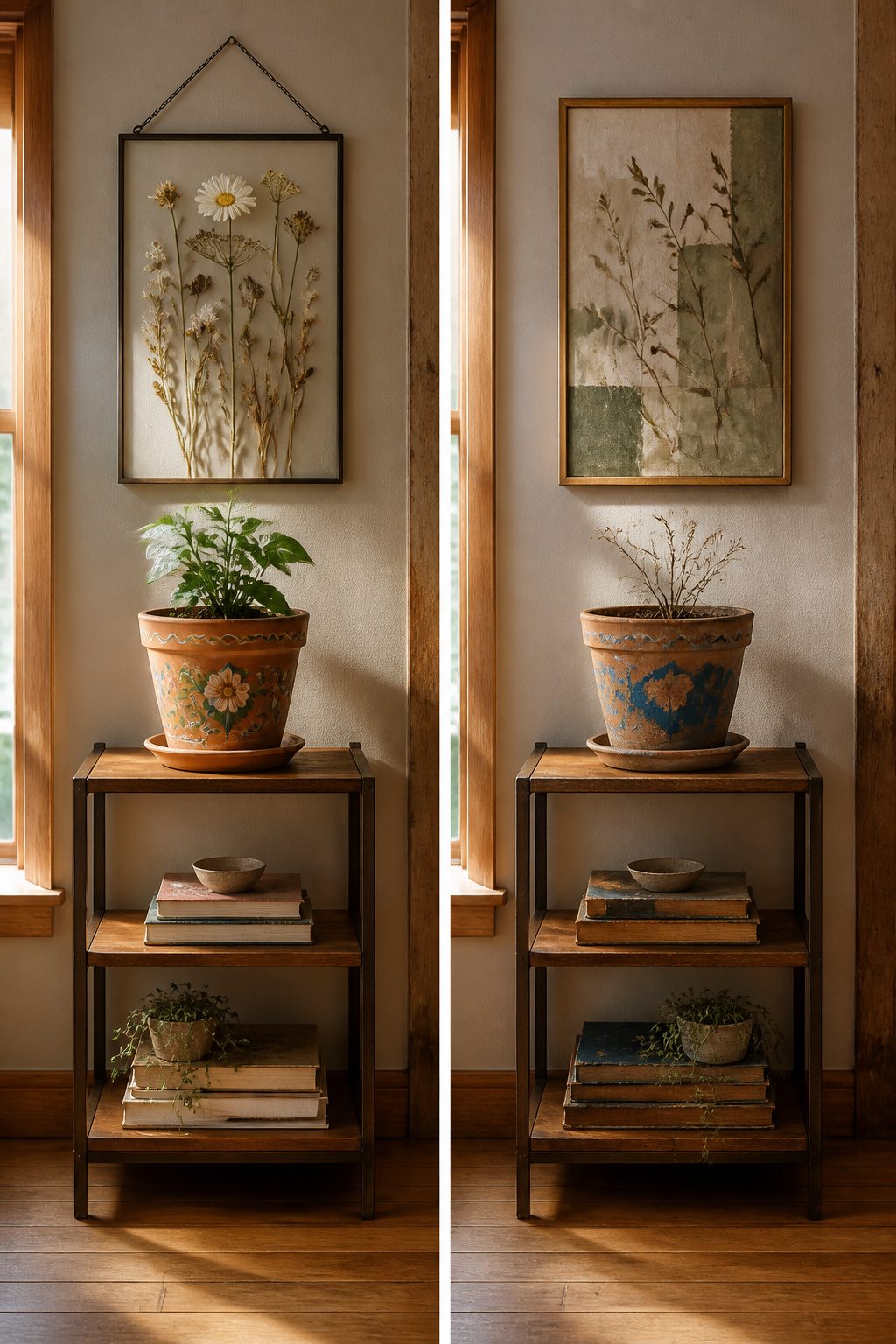
Painted terracotta pots looked like the easiest win on the list. A few coats of leftover exterior paint, some painter’s tape for stripes, and the patio had color by Saturday afternoon.
The paint chipped after one rain because I skipped the sealer, thinking exterior paint was enough. The pots went to the garage by July.
Pressed wildflowers in thrifted frames turned out better, mostly because it took longer and cost almost nothing.
A $2 iron frame from a church rummage sale, parchment paper from the kitchen drawer, and flowers flattened under a stack of cookbooks for two weeks.
The color fades a little each year, but three summers later they still hang in the hallway. The trick is picking thin blooms, daisies and Queen Anne’s lace, not anything with a thick stem that never fully dries.
Frequently Asked Questions
What are some easy summer decorating ideas?
Fresh flowers from the grocery store, lighter textiles like cotton and linen, a seasonal wreath, coastal accents, bright thrifted dinnerware, citrus fruit bowls, swapped throw pillow covers, wicker or rattan pieces, low-profile centerpieces, and string lights or lanterns for outdoor spaces.
Each takes under an hour and most cost under $30.
How can I make my home feel summery?
Swap heavy fabrics for breathable cotton and linen, add fresh stems in corners where your eyes land, and use one citrus or floral scent per room.
The author folds velvet and wool into labeled bins that slide under the bed, then brings out gauzy curtains and lightweight throws; the room feels cooler by late afternoon.
What should I include in my summer decor?
Bright colors through plates and pillow covers, natural materials like rattan or wicker, and seasonal fruit such as lemons in a plain white bowl.
The author spends first on fresh flowers and colorful dinnerware because both photograph well and change the room the same day.